

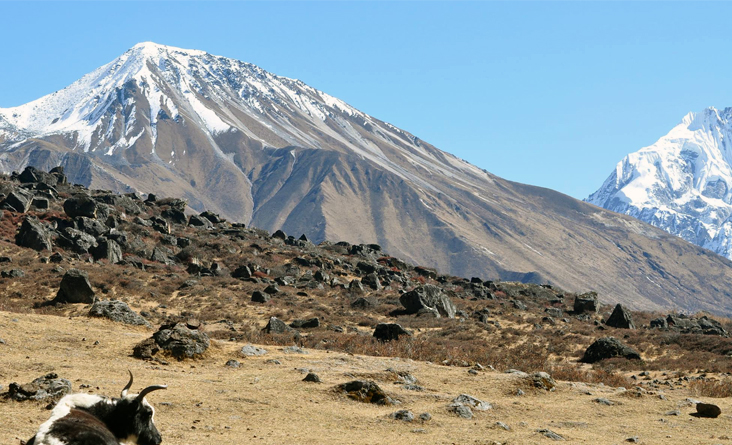
Start on an exhilarating adventure with the Langtang-Ganja La Pass Trek, a journey that offers a perfect blend of rugged beauty and cultural richness. This trek takes you through the pristine landscapes of the Langtang Valley, renowned for its spectacular mountain views, lush forests, and charming Tibetan-style villages. As you ascend through the valley, you’ll be immersed in the stunning vistas of towering peaks like Langtang Lirung and Ganesh Himal, while exploring ancient monasteries and traditional Sherpa settlements. The trek is not only a feast for the eyes but also a cultural immersion into the heart of Nepal’s Himalayas.
The highlight of this trek is crossing the Ganja La Pass, one of the highest trekking passes in the region, which offers breathtaking panoramic views of the surrounding snow-capped peaks and glaciers. The challenging climb to the pass is rewarded with a sense of accomplishment and awe-inspiring scenery. The trek’s varied terrain and ever-changing landscapes provide a unique and unforgettable experience for adventurers seeking a blend of natural beauty and cultural exploration. With well-maintained trails and the opportunity to connect with local communities, the Langtang-Ganja La Pass Trek promises an adventure that is both challenging and immensely rewarding.
Your adventure begins with a breathtaking ride from Kathmandu to Syabrubesi. Along the way, you'll be treated to stunning views of rivers, terraced fields, charming towns, and majestic snow-capped mountains. As you ascend towards Dhunche along the Trishuli River, you may catch glimpses of the Annapurna I, Ganesh Himal, Manaslu, and other peaks in the distance. Upon reaching Syabrubesi, take some time to stretch your legs and explore the picturesque town. You'll spend the night in a cozy teahouse, where you can enjoy simple yet delicious meals and a comfortable bed, a hallmark of Nepal's trekking hospitality.
After a hearty breakfast in Syabrubesi, you'll set out on your Ganja La Pass Trek. Your first destination is the source of the Bhote Koshi River, which originates in Tibet. As you follow the trail, you'll reach Guru Rinpoche Gomba, a sacred site where you can pause for journey-related prayers. Continuing on, you’ll traverse a stone-paved path leading out of town and descend towards the Langtang Khola. A brief walk will bring you to a suspension bridge, after which you'll gradually ascend to Bamboo.
In this scenic canyon-like setting, you’ll find several guest houses nestled by the river. The trail passes through a subtropical forest filled with oak, maple, fir, rhododendron, blue pine, and tall spruce trees. Keep an eye out for wildlife such as langurs, red pandas, yellow-throated martens, and Himalayan black bears. As you continue your moderate uphill trek, you'll arrive at the Lama Hotel, a charming spot surrounded by greenery. This small town by the river is a popular resting point for hikers, offering several comfortable hotels for a relaxing stay.
Today’s trek from Lama Hotel to Langtang village promises to be a memorable experience. After an early wake-up and breakfast, you’ll embark on a moderate ascent that gradually becomes steeper as you continue. Following the Langtang Khola, the trail winds through lush forests of oak, maple, vibrant rhododendrons, and hemlock. As you climb higher, stunning views of the snow-capped peaks, particularly Mt. Langtang, will start to emerge.
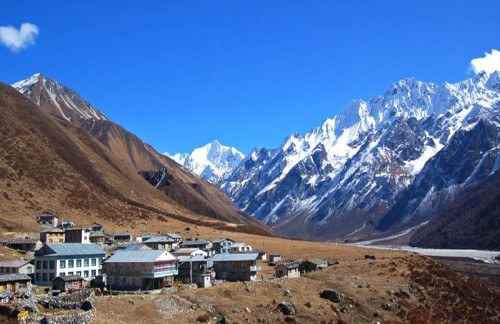
Your path will lead you through Ghodatabela Meadow and across a charming wooden bridge. From there, you’ll traverse yak pastures, cross a helipad, and ascend through dense rhododendron forests. Arriving at the Tamang village, you’ll find traditional Tibetan-style houses with flat roofs and intricately carved wooden windows. The village, surrounded by stone walls, is known for its fields where turnips, potatoes, barley, and other crops are cultivated.
After breakfast in Langtang village, your trek continues towards Kyanjin Gompa, a journey of a few hours. The trail initially circles around the Mani Walls before ascending to a peak crowned with a large chorten. After a gentle climb, you'll reach Mundu, where you’ll encounter colorful prayer flags and cross a stream. From Mundu, the path leads you over moraines and across several minor streams via wooden bridges.
As you advance, you'll catch your first views of Kyanjin Gompa and the impressive glaciers descending from Kimshug and Langtang Lirung peaks. Continuing along the trail, you will eventually arrive at Kyanjin Gompa. Here, you can explore the renowned monastery and take in panoramic views of surrounding peaks such as Dorje Lhakpa, Langshisha Ri, Ganja La, Tsergo Ri, and more.
Start your day by attending the Morning Prayer at the renowned Kyanjin Gompa. After breakfast, embark on a hike to Tserko Ri (4984 m), the second-highest point on the Langtang Ganja-La Pass Trek. The short but exhilarating climb rewards you with breathtaking views of snow-capped peaks, including Kinshung, Yansa Tsenji, and the entire Langtang range.
If you prefer a gentler alternative, consider trekking to Kyanjin Ri, which, at approximately 4773 meters, offers a slightly easier ascent compared to Tserko Ri. Despite its shorter climb, Kyanjin Ri still provides spectacular views of snow-covered mountains, open valleys, and frozen lakes. Both Tserko Ri and Kyanjin Ri offer equally stunning panoramas, making your choice of route a matter of preference. In the evening, return to your guesthouse in Kyanjin Gompa for another night.
As you progress along the Langtang Ganja La Pass Trekking route, you'll notice the absence of villages and amenities. The path descends for the first 30 minutes before reaching a suspension bridge that crosses the Langtang Khola. From there, you'll ascend through a route flanked by juniper trees, leading into the sparsely forested Himalayan region. After approximately five hours of climbing, you'll arrive at Nyengang Kharka, where you'll be greeted by stunning views of Langtang Lirung and its glacier. Here, you'll need to find your own accommodation and meals.
Be prepared for occasional water shortages, but the breathtaking mountain scenery and authentic beauty of the area make it worthwhile. The trek can be challenging due to the high altitude, and snow may slow your progress in the winter.
Today’s trek involves a challenging ascent as you conquer the Ganja La Pass, which reaches over 5000 meters. The pass, often blanketed in snow throughout the year, offers breathtaking views from its rocky ridge. Despite the difficulty of the hike, the stunning scenery will captivate you. Be sure to carry all necessary supplies, including energizing food and plenty of water.
You’ll start your journey across Ganja La Pass early in the morning to avoid the midday heat. It’s crucial to pace yourself and manage your breathing, as this will be one of the more demanding days of the trek. After crossing the pass, follow a descending trail to a small stream. Continue along the stream until you reach Keldang, where you’ll set up camp for the night.
Today's trek along the Langtang Valley Ganja La Pass trail is predominantly downhill, following a dramatic ridge line. You’ll descend from Keldang to Dhukpa, covering a significant distance. Despite the descent, the ridge walk is captivating, offering spectacular views. As you make your way through diverse landscapes of forests, mountains, and grasslands, you’ll gradually lose elevation.
Continuing your descent, you’ll cross another ridge and walk through forests and meadows to reach Dukpu, a summer settlement for the Helambu people. In this serene and isolated forest setting, you’ll set up a tent camp for the night, allowing you to fully immerse yourself in the tranquil beauty of the Himalayas.
Today, your Langtang Ganja La Pass Trek leads you to Tarkeghyang. The trail will take you to Melamchi Khola before reaching this Sherpa village. Along the way, you'll be treated to stunning views of the Himalayan peaks sparkling in the sunlight, with the Annapurna and Everest regions visible in the distance. The path descends through a pine and rhododendron forest, passing the small herder's community of Tarkeghyang.
Tarkeghyang is known for its warm and friendly residents, mostly from the Helmu caste, which is why the village is often referred to as Helambu. Here, you'll find one of the oldest Buddhist temples and charming Sherpa settlements. Your evening will be spent in a cozy guesthouse, enjoying the hospitality of this picturesque village.
Today's trek is relatively easy and flat, taking you through picturesque forests, streams, and waterfalls. As you make your way to Sermathang, the Ganja La Pass Trek Route meanders through vibrant rhododendron trees, charming villages, farmland, and ancient monasteries. The trail stretches across a broad valley between Parachin and the delightful Sherpa village of Gangyul. The locals here practice Drukpa Kagyu Buddhism, which is also the state religion of Bhutan.
In Sermathang, another enchanting Sherpa village, you can explore historic monasteries and enjoy stunning views of the Jugal Himal mountain range. This tranquil area offers a chance to experience the rich cultural heritage and natural beauty of the region.
After a relaxing breakfast in Shermathang, you’ll begin your Langtang Ganja La Pass Trek by descending through lush rice fields and expansive green meadows. As you leave Shermathang, you'll pass through quaint villages like Kakani and Thimbu. The trail will take you through a subtropical landscape, with the vegetation gradually shifting as you approach Melamchi Pul Bazaar, a Sherpa settlement.
Along the way, you’ll cross several bridges and traverse small communities adorned with chortens and mani walls. The trek from Shermathang to Melamchi Pul Bazaar takes approximately 5 to 6 hours. Once you reach Melamchi Pul, you’ll connect with your transportation, as this bustling bazaar is accessible by road.
From Melamchi Pul Bazaar, you’ll travel for about five hours to reach Kathmandu. Along the way, you’ll enjoy your last glimpses of Nepal's stunning hills and terraced farmland. The journey begins on a dirt road before joining the Tibet-Nepal Arniko Highway. After an hour, you’ll pass through Dhulikhel, a Newar town located on the eastern edge of the Kathmandu Valley. The route continues through Banepa and Bhaktapur before arriving in Kathmandu.
Upon returning to Kathmandu, take some time to check into your accommodation and freshen up. You’ll then have the opportunity to explore the city, do some shopping, and enjoy the vibrant nightlife of Thamel. It's the perfect way to unwind and celebrate the completion of your Langtang Ganja La Pass Trek.
The Langtang-Ganja La Pass Trek is a thrilling adventure in Nepal, offering breathtaking views of the Langtang Valley, diverse landscapes, and challenging high-altitude trekking over the Ganja La Pass. It provides a unique combination of cultural immersion, scenic beauty, and trekking adventure.
The trek is considered challenging due to the high altitude and steep ascents, especially when crossing the Ganja La Pass. It requires a good level of physical fitness and prior trekking experience. The trek includes both moderate and strenuous sections, with some high-altitude hikes.
The best times for this trek are during the spring (March to May) and autumn (September to November) seasons. These months offer stable weather, clear skies, and mild temperatures, ideal for trekking and enjoying the stunning mountain views.
You will need two permits: the Langtang National Park permit and the TIMS (Trekkers’ Information Management System) card. Both permits are required to trek in the Langtang region and must be obtained before starting your trek.
Accommodation during the trek includes teahouses and lodges in most areas, with camping in some high-altitude sections. Teahouses offer basic facilities with a comfortable bed and meals, while camping gear is provided for the nights spent in tents.
Proper preparation includes physical conditioning, acclimatization, and packing essential gear. Engage in regular cardio exercises and trekking practice to build stamina. Ensure you have appropriate clothing, a good-quality sleeping bag, and other trekking essentials.
Highlights include the stunning views of the Langtang Valley, Ganja La Pass, and surrounding snow-capped peaks. You will also experience the rich culture of Sherpa communities, visit ancient monasteries, and explore diverse landscapes from lush forests to alpine meadows.
Altitude sickness is a concern on high-altitude treks like the Ganja La Pass. Proper acclimatization, hydration, and monitoring your health are crucial. Carry a basic first aid kit, and ensure you have travel insurance that covers trekking and emergency evacuation.
You can expect a variety of meals, including traditional Nepali dishes, rice, lentils, vegetables, and local specialties. While teahouses offer basic menus, you may also bring energy snacks for additional sustenance during the trek.
Booking can be done through reputable trekking agencies like Satyam Tours and Travels. They will assist with permits, accommodation, guides, porters, and logistics to ensure a smooth and enjoyable trekking experience.
To ensure a successful and enjoyable Langtang-Ganja La Pass Trek, here’s everything you need to know:
1. Trekking Experience and Fitness: The Langtang-Ganja La Pass Trek is a demanding journey requiring good physical fitness and previous trekking experience. Regular cardiovascular exercise and hiking practice will help you tackle the challenging ascents and high-altitude conditions.
2. Acclimatization: Proper acclimatization is vital to avoid altitude sickness. Gradually ascend, take acclimatization days if needed, and stay hydrated. Listen to your body and seek medical help if you experience symptoms of altitude sickness.
3. Packing Essentials: Prepare for variable weather by packing layers, including a waterproof jacket, warm clothing, trekking pants, and comfortable boots. Essential gear includes a high-quality sleeping bag, trekking poles, hat, gloves, and sunglasses. Also, pack sun protection and personal hygiene items.
4. Best Time to Trek: The ideal time for the Langtang-Ganja La Pass Trek is during the spring (March to May) and autumn (September to November). These seasons offer the best weather conditions and clear views. Avoid trekking during the monsoon (June to August) and winter (December to February) due to heavy rains and snow.
5. Meals and Accommodation: During the trek, you'll stay in teahouses or lodges along the route, offering basic but comfortable accommodation. Meals are typically included, providing traditional Nepali dishes. Teahouses also offer a range of food options, but carrying additional snacks like nuts, dried fruits, and energy bars can be useful.
6. Permits and Documentation: Ensure you obtain the necessary permits, including the Langtang National Park permit and TIMS (Trekkers’ Information Management System) card. Keep these documents safe and accessible throughout your trek.
7. Health and Safety: Carry a basic first aid kit with personal medications and emergency supplies. Travel insurance covering trekking and emergency evacuation is highly recommended. Familiarize yourself with altitude sickness symptoms and be prepared to turn back if necessary.
8. Local Culture and Etiquette: Respect the customs and traditions of the Sherpa communities in the Langtang region. Dress modestly, be polite, and engage respectfully with local people to enhance your cultural experience.
9. Communication: Mobile network coverage is available in most parts of the Langtang region, but connectivity may be limited in remote areas. Inform friends or family about your trekking plans and expected return.
10. Environmental Responsibility: Minimize your environmental impact by disposing of waste properly and avoiding single-use plastics. Carry reusable water bottles and follow eco-friendly practices to help preserve the natural beauty of the region.
11. Guide and Porter Services: Hiring an experienced guide and porter enhances your trekking experience. They will assist with navigation, carry your gear, and provide valuable insights into the region's culture and environment.
12. Emergency Contact: Familiarize yourself with emergency contact procedures and the locations of nearby medical facilities. Ensure your guide has access to emergency contact information and a plan in case of unforeseen circumstances.
Note: By following these tips and preparing thoroughly, you’ll maximize your chances of having a successful and memorable Langtang-Ganja La Pass Trek. Enjoy the stunning landscapes, rich cultural experiences, and the adventure of this remarkable journey!
 BOOK NOW
 BOOK NOW
 BOOK NOW
 BOOK NOW