

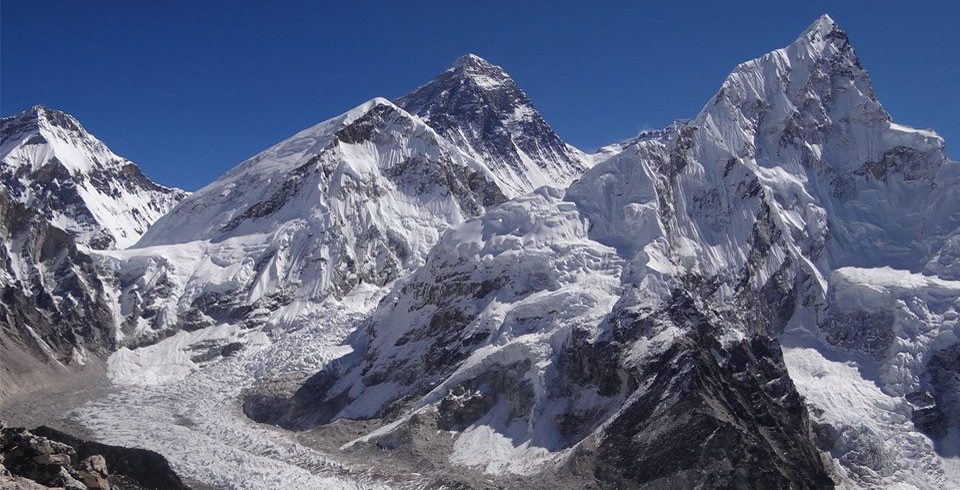
Panoramic Views of Mount Everest: Witness the world’s highest peak, Mount Everest (8,848m), along with stunning views of Lhotse, Nuptse, and Ama Dablam.
Scenic Flight to Lukla: Enjoy a thrilling flight to Lukla, one of the most dramatic and picturesque airports in the world, offering breathtaking aerial views of the Himalayas.
Trekking Through Sagarmatha National Park: Experience the diverse flora and fauna of this UNESCO World Heritage Site, home to endangered species like the snow leopard and red panda.
Namche Bazaar: Explore the vibrant Sherpa town of Namche Bazaar, a cultural hub and trading center, with its rich history and stunning mountain vistas.
Tengboche Monastery: Visit the famous Tengboche Monastery, the spiritual heart of the Khumbu region, set against the backdrop of the majestic Ama Dablam.
Everest Base Camp: Stand at the foot of the world’s highest mountain at Everest Base Camp, surrounded by awe-inspiring glacial landscapes and towering peaks.
Kala Patthar Sunrise: Trek to Kala Patthar (5,545m) for a sunrise view of Everest, offering the most spectacular close-up views of the summit.
Cultural Immersion: Interact with the warm and welcoming Sherpa people, learning about their rich culture, traditions, and way of life.
Historic Khumbu Region: Traverse through ancient trails, picturesque villages, and suspension bridges adorned with prayer flags, adding a spiritual dimension to your trek.
Comfortable Accommodation and Expert Guides: Benefit from the experience and knowledge of our guides, who ensure your safety and comfort throughout the journey.
Start on the adventure of a lifetime with Satyam Tours and Travels as you journey to the iconic Everest Base Camp. This trek is not just a challenge; it’s an opportunity to walk in the footsteps of legendary mountaineers and experience the breathtaking beauty of the Himalayas. Nestled amidst the towering peaks, Everest Base Camp offers awe-inspiring views of Mount Everest, Lhotse, Nuptse, and the surrounding giants.
Our carefully crafted itinerary ensures a gradual ascent, allowing you to acclimatize while enjoying the stunning landscapes, rich Sherpa culture, and historic monasteries along the way. You’ll trek through lush rhododendron forests, cross roaring rivers, and traverse high-altitude terrain, all while being guided by our experienced team.
Satyam Tours and Travels provides everything you need for a successful trek, including expert guides, comfortable accommodations, and a strong focus on safety. Whether you’re a seasoned trekker or a first-timer, this journey will leave you with unforgettable memories and a deep appreciation for the world’s highest peaks.
Book your Everest Base Camp Trek with Satyam Tours and Travels and experience the ultimate Himalayan adventure.
Welcome to Nepal! Upon your arrival at Tribhuvan International Airport, you'll be greeted and transferred to your hotel in Kathmandu. Enjoy a relaxing evening in the vibrant capital city. Overnight at the hotel.
Begin your adventure with a 35-minute scenic flight from Kathmandu to Lukla. Alternatively, drive to Manthali/Ramechhap for 5 to 6 hours, followed by a 20-minute flight to Lukla. From Lukla, trek through picturesque landscapes to the village of Phakding. Overnight at a guesthouse.
Continue your trek along the Dudh Koshi River, crossing suspension bridges and passing through pine forests. Reach the bustling Sherpa town of Namche Bazaar, the gateway to the Everest region. Overnight at a guesthouse.
Today is dedicated to acclimatization. Take a hike to the Hotel Everest View (3,880m) for stunning panoramas of the Himalayas, including Mount Everest. Return to Namche Bazaar in the afternoon. Overnight at a guesthouse.
Trek through rhododendron forests and enjoy views of Everest, Lhotse, and Ama Dablam as you make your way to the spiritual center of the Khumbu region, Tengboche. Visit the famous Tengboche Monastery upon arrival. Overnight at a guesthouse.
Ascend gradually through the alpine terrain, passing the small village of Pangboche before reaching the serene settlement of Dingboche. Overnight at a guesthouse.
Take a second acclimatization day with a hike to Nangkartsang Peak (5,083m). Enjoy the panoramic views of Makalu, Lhotse, and the Imja Valley before descending back to Dingboche. Overnight at a guesthouse.
Continue your ascent, trekking through the windswept landscape towards Lobuche. The trail offers incredible views of the surrounding peaks and glaciers. Overnight at a guesthouse.
Today is the highlight of your trek! Journey to Everest Base Camp, where you can soak in the breathtaking views and the awe-inspiring surroundings. After exploring the area, return to Gorak Shep for the night. Overnight at a guesthouse.
Start early for a sunrise hike to Kala Patthar, the best vantage point for close-up views of Everest. Afterward, descend through the Khumbu Valley to Pheriche. Overnight at a guesthouse.
Retrace your steps back to Namche Bazaar, enjoying the beautiful landscapes along the way. The descent offers a different perspective on the scenery you passed on the way up. Overnight at a guesthouse.
On your final day of trekking, return to Lukla. Reflect on your incredible journey through the Everest region as you relax in Lukla. Overnight at a guesthouse.
Catch an early morning flight back to Kathmandu. Alternatively, if you flew from Manthali/Ramechhap, you will take a 20-minute flight to Manthali and then drive 5 to 6 hours to Kathmandu. Spend the day at your leisure exploring the city. Overnight at the hotel.
Your journey in Nepal concludes today. Transfer to Tribhuvan International Airport for your final departure, taking with you unforgettable memories of the Everest Base Camp Trek.
The Everest Base Camp Trek is a popular trekking adventure in Nepal that takes you to the base camp of Mount Everest. It offers breathtaking views of the world’s highest peak and an opportunity to experience the Sherpa culture and Himalayan landscapes.
The trek typically takes 12 to 14 days, including acclimatization days and travel time. The duration can vary depending on your pace and any additional activities you choose.
The best times to trek to Everest Base Camp are during the pre-monsoon (spring) season from March to May and the post-monsoon (autumn) season from September to November. These periods offer the most stable weather and clear views.
The Everest Base Camp Trek is considered moderate to strenuous. It involves trekking at high altitudes, so a good level of fitness and acclimatization are essential to manage the physical demands and avoid altitude sickness.
Accommodation during the trek includes twin-sharing guesthouses and lodges. In the higher altitudes, facilities may be more basic, but they typically offer clean beds and communal dining areas.
Yes, you need two permits: the Sagarmatha National Park entry permit and the TIMS (Trekkers' Information Management System) card. These are included in most trekking packages.
Essential items to pack include warm clothing, trekking boots, a sleeping bag, a headlamp, water purification tablets, and a good quality backpack. It's also important to bring personal medications and high-altitude gear.
To minimize the risk of altitude sickness, follow a gradual ascent, stay hydrated, and allow time for acclimatization. It’s important to listen to your body and seek medical attention if symptoms occur.
Yes, comprehensive travel insurance is highly recommended. It should cover emergency evacuation, medical expenses, trip cancellation, and loss of personal belongings.
The cost varies depending on the trekking package, inclusions, and level of comfort. On average, a standard package ranges from $1,200 to $2,500. This typically covers accommodation, meals, permits, guide and porter services, and flights.
The Everest Base Camp Trek is more than just a journey to the base of the world’s highest mountain; it’s an immersive experience in the heart of the Himalayas. This trek offers an incredible opportunity to witness the natural beauty of Nepal and to explore the rich culture and traditions of the Sherpa people.
Your adventure begins with a thrilling flight to Lukla, one of the most famous mountain airstrips in the world. The flight itself offers stunning views of the Himalayan range, setting the tone for the incredible journey ahead.
As you trek through the Khumbu region, you’ll pass through traditional Sherpa villages like Namche Bazaar, Tengboche, and Dingboche. These villages are steeped in culture, with ancient monasteries, chortens (Buddhist shrines), and prayer flags adding a spiritual element to your trek.
The trek takes you through diverse landscapes, from lush forests of rhododendron and pine to the rugged, high-altitude terrain of the Everest region. As you ascend, you’ll be rewarded with panoramic views of towering peaks like Ama Dablam, Lhotse, Nuptse, and of course, Mount Everest itself.
Acclimatization is a key part of the trek to ensure your health and safety. There are designated acclimatization days in Namche Bazaar and Dingboche, where you can take short hikes to higher altitudes and enjoy incredible views while your body adjusts to the thin air.
The Sagarmatha National Park, a UNESCO World Heritage Site, is home to unique wildlife like the Himalayan tahr, musk deer, and the elusive snow leopard. Keep your eyes peeled for these animals as you trek through the park’s pristine natural environment.
Standing at Everest Base Camp (5,364 meters) is a momentous achievement. Here, you’ll be surrounded by the breathtaking Khumbu Icefall and towering peaks, feeling the immense power of the Himalayas. While you won’t climb Everest itself, being at its base is an unforgettable experience.
For many, the early morning hike to Kala Patthar (5,555 meters) is the highlight of the trek. From this vantage point, you’ll witness a breathtaking sunrise over Mount Everest and the surrounding peaks, an experience that will stay with you forever.
Despite being a remote region, the trekking route is well-serviced with guesthouses that provide warm meals, comfortable beds, and a place to relax after a day’s trek. Satyam Tours and Travels ensures that your accommodation is arranged in the best available lodges.
Satyam Tours and Travels is committed to sustainable and responsible tourism. We encourage all trekkers to respect the natural environment, minimize waste, and follow the “Leave No Trace” principles to help preserve the beauty of the Himalayas for future generations.
At the end of your trek, you’ll return to Kathmandu, where you’ll enjoy a special farewell dinner. This is a time to celebrate your achievements, share stories with fellow trekkers, and reflect on the incredible journey you’ve just completed.
The Everest Base Camp Trek is a once-in-a-lifetime adventure that offers not only physical challenge but also deep cultural enrichment and awe-inspiring natural beauty. Whether you’re an experienced trekker or embarking on your first Himalayan adventure, this trek promises to leave you with memories that will last a lifetime.
Packing wisely is crucial for a successful Everest Base Camp Trek. Given the varying weather conditions and challenging terrain, you'll need to be well-prepared. Here’s a guide on what to bring:
1. Essential Clothing:
2. Gear and Equipment:
3. Personal Items:
4. Health and Safety:
5. Optional Items:
6. Packing Tips:
This packing list is designed to ensure you’re prepared for the Everest Base Camp Trek, with a focus on comfort, safety, and practicality. Being well-prepared will help you fully enjoy the experience without unnecessary stress.
Spring (March to May):
This is one of the best times to trek, with moderate temperatures, clear skies, and blooming rhododendrons. It’s a popular season, so expect more trekkers on the trail.
Autumn (September to November):
Another ideal time for trekking, with stable weather, clear views, and comfortable temperatures. This season offers the best visibility of the mountains.
Winter (December to February):
While the trek is possible in winter, it’s much colder, and there may be snow on the trail, especially at higher altitudes. The crowds are fewer, offering a more peaceful experience.
Monsoon (June to August):
Monsoon season brings heavy rains, making the trail slippery and leech-infested. Clouds often obscure the mountain views. However, the lower regions are lush and green.
To trek to Everest Base Camp, you’ll need the following permits:
Sagarmatha National Park Entry Permit:
This is required to enter the national park, where most of the trek takes place.
TIMS Card (Trekkers' Information Management System):
This card is necessary for tracking and safety purposes. It helps the authorities keep track of trekkers in the region.
Understanding Altitude Sickness:
Altitude sickness is a serious concern on the Everest Base Camp Trek. Symptoms include headaches, dizziness, nausea, and shortness of breath. It's important to acclimatize properly and listen to your body.
Acclimatization Days:
The itinerary includes acclimatization days in Namche Bazaar and Dingboche to help your body adjust to the high altitude. Taking it slow and staying hydrated are key to preventing altitude sickness.
Mobile Network:
There is mobile network coverage in most parts of the trek, especially in larger villages like Namche Bazaar. However, the signal may be weak or nonexistent in more remote areas.
Wi-Fi Access:
Many guesthouses offer Wi-Fi, though it can be slow and unreliable. Some places charge a fee for Wi-Fi access.
Currency:
The local currency is the Nepalese Rupee (NPR). It’s advisable to carry cash in small denominations for personal expenses, as ATMs are limited and may not always be reliable.
ATMs:
ATMs are available in Kathmandu and Namche Bazaar, but it's recommended to withdraw enough cash before leaving Kathmandu.
Respecting Local Customs:
The Everest region is rich in Sherpa culture and Buddhist traditions. It’s important to be respectful by following local customs, such as asking permission before taking photographs of people, removing shoes before entering homes or monasteries, and not touching religious artifacts.
Language:
While Nepali is the official language, many people in the Everest region speak Sherpa and Tibetan. English is commonly understood in tourist areas, but learning a few basic Nepali or Sherpa phrases can enhance your experience.
Trekking with a Guide:
It’s highly recommended to trek with an experienced guide, especially if you’re unfamiliar with the terrain or if it’s your first time trekking at high altitudes. Guides provide valuable insights, ensure your safety, and assist in case of emergencies.
Trekking Insurance:
Ensure your travel insurance covers high-altitude trekking and emergency evacuation. This is essential, as helicopter rescues can be very costly.
Leave No Trace:
Satyam Tours and Travels encourages all trekkers to follow the “Leave No Trace” principles. This includes packing out all waste, using refillable water bottles, and avoiding single-use plastics.
Support Local Communities:
By choosing local guesthouses, buying local products, and respecting the local culture, you help support the communities in the Everest region.
By including these additional points, the section becomes a comprehensive resource for anyone considering the Everest Base Camp Trek, addressing all key aspects of preparation and experience.
 BOOK NOW
 BOOK NOW
 BOOK NOW
 BOOK NOW